
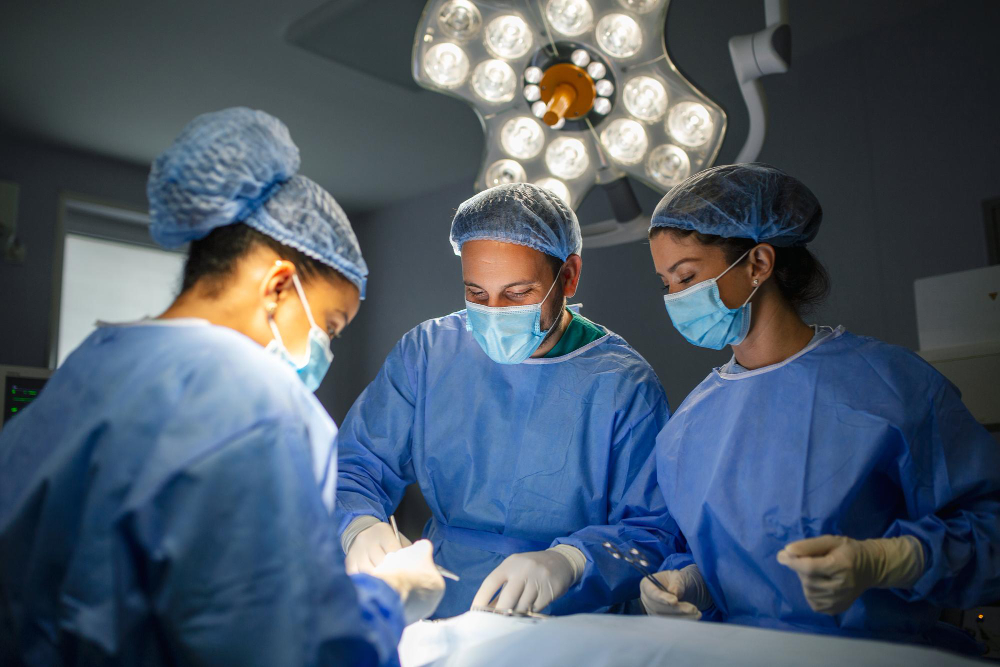
General Surgery focuses on diagnosing and treating a wide range of conditions involving the abdomen, skin, soft tissues, and glands. Skilled surgeons perform both emergency and planned procedures, ensuring safe, effective care. It includes treatment for hernias, appendicitis, gallbladder issues, tumors, infections, and trauma-related problems with advanced surgical techniques.
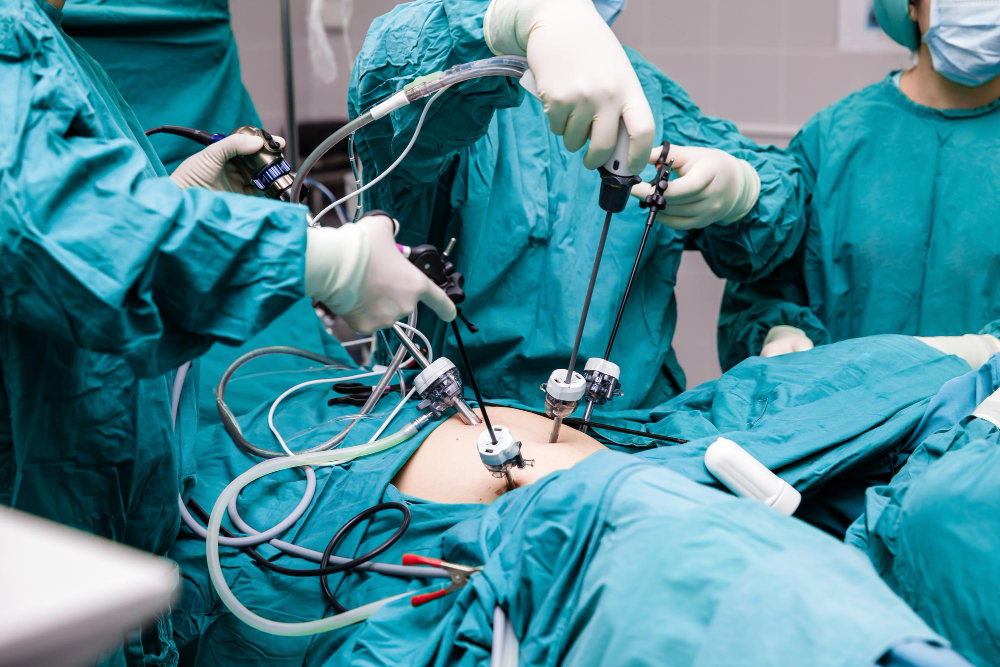
Laparoscopic Surgery, also known as minimally invasive surgery, uses small incisions and a camera for precise procedures. This advanced technique leads to less pain, minimal scarring, faster recovery, and shorter hospital stays. It is commonly used for gallbladder removal, hernia repair, appendectomy, and abdominal conditions while ensuring quicker return to normal activities.
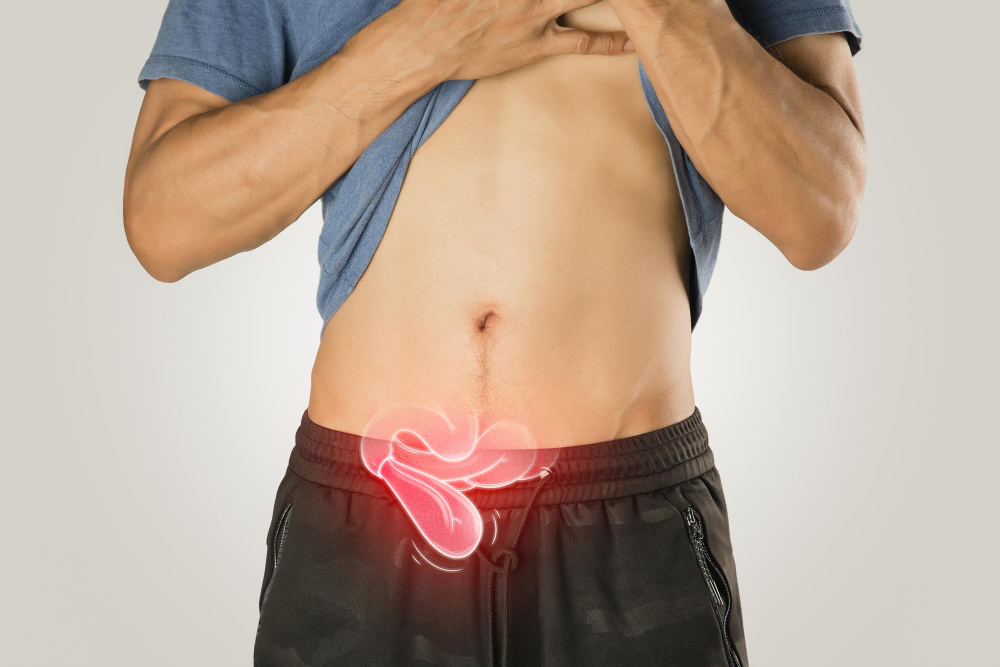
Hernia Surgery repairs weakened abdominal walls where internal tissues protrude, causing pain or swelling. Both open and laparoscopic methods may be used depending on condition severity. Surgery reinforces muscles using mesh support to prevent recurrence. Early treatment is essential to avoid complications like strangulation, ensuring long-term relief and improved quality of life.
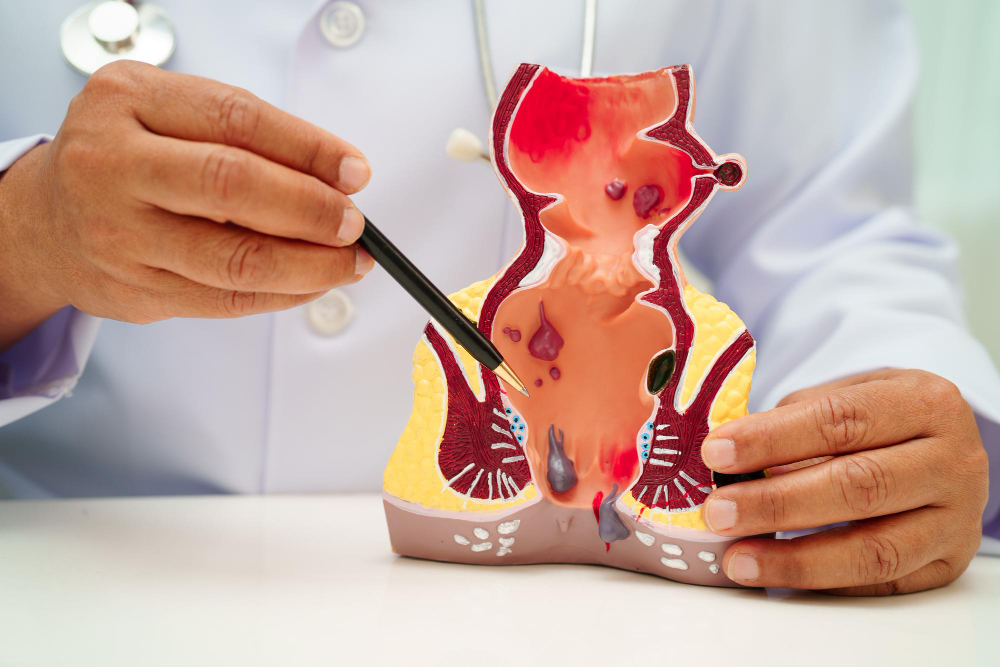
Anal fissures and fistulas cause discomfort, pain, bleeding, and infection near the anus. Treatment involves relieving symptoms and correcting underlying infection or tissue damage. Options include medications, laser therapy, and minimally invasive surgery. Proper, early care helps prevent chronic issues and restores comfortable, pain-free bowel movements for better everyday life.
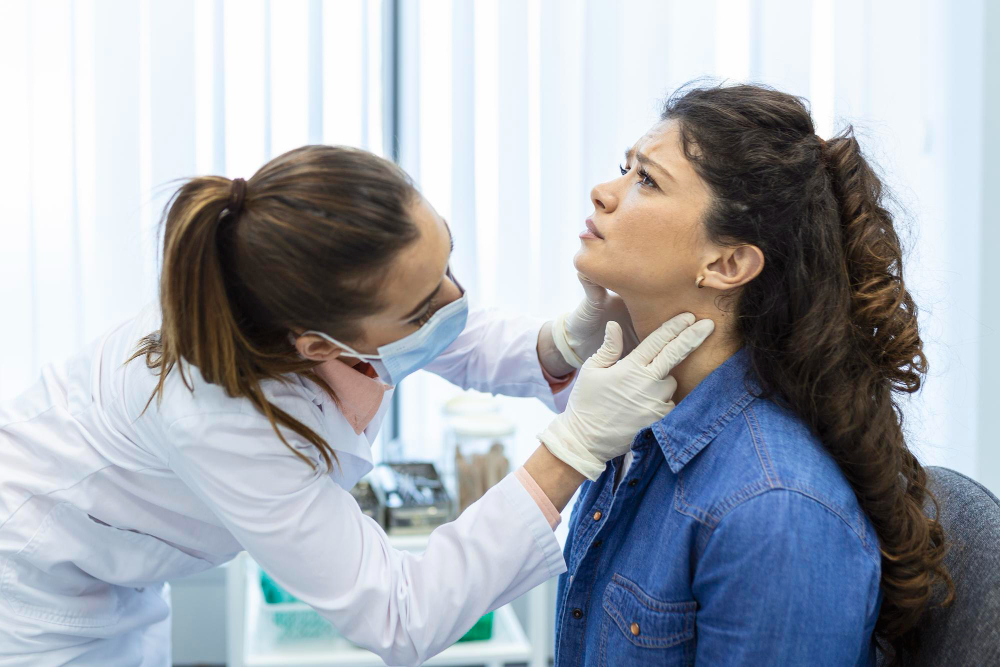
Breast and Thyroid Surgery involves removing tumors, cysts, or diseased tissues while preserving function and appearance. Surgeons carefully evaluate each case with advanced diagnostics. Procedures range from biopsies to cancer surgeries and thyroid gland removal. Timely treatment improves outcomes, balances hormones, enhances confidence, and ensures long-term health and wellness.
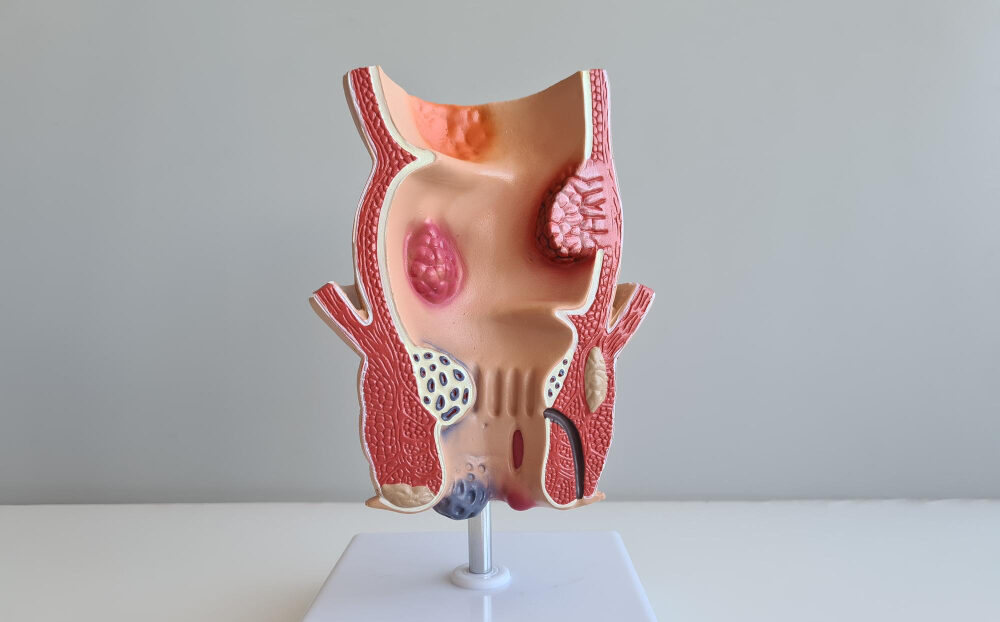
Piles treatment focuses on reducing swollen veins in the anal area, commonly caused by constipation or straining. Symptoms include pain, itching, and bleeding. Depending on severity, treatment includes medicines, lifestyle guidance, laser surgery, or minimally invasive removal. Effective care provides relief, prevents recurrence, and improves comfortable bowel health.
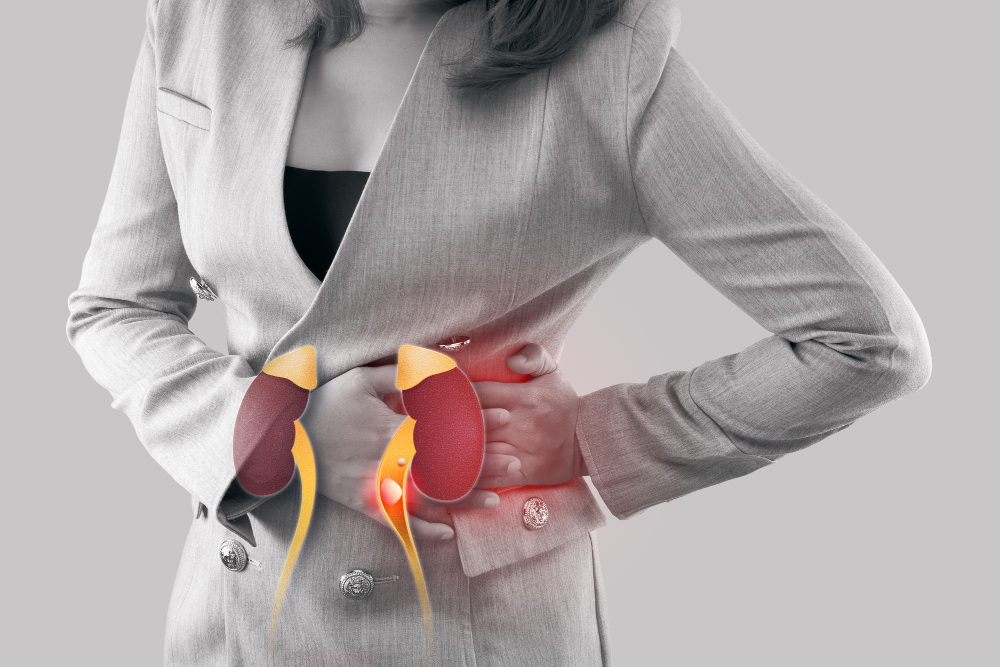
Kidney Stone treatment aims to remove solid mineral deposits that cause severe flank pain, blood in urine, and urinary blockage. Management includes medications, hydration, shockwave lithotripsy, endoscopic removal, or surgery for large stones. Early diagnosis prevents complications and protects kidney function while restoring pain-free, healthy urinary flow.
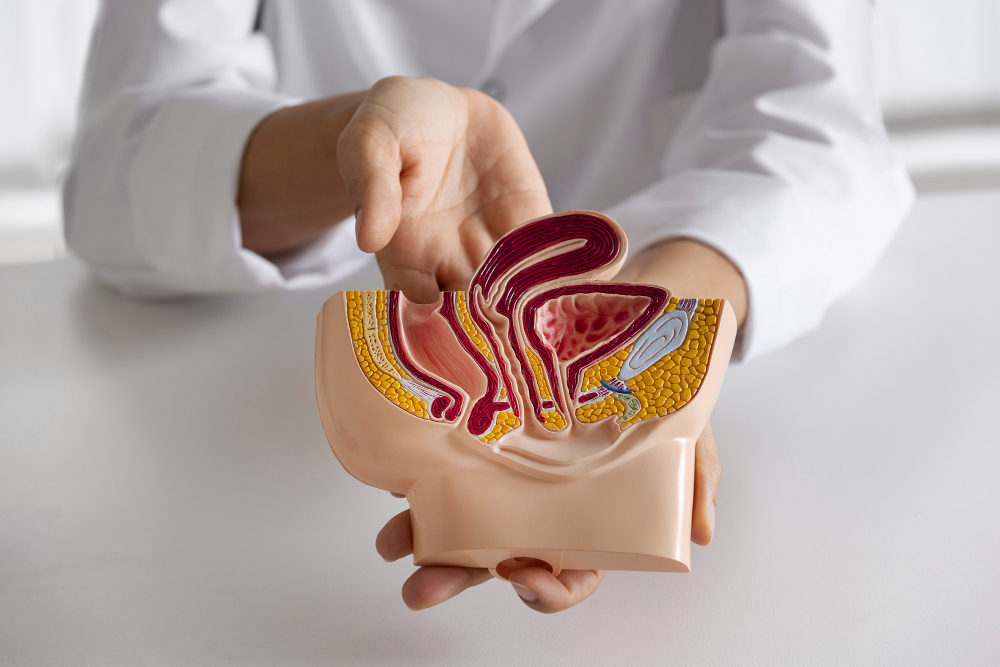
Prostate issues like enlargement, infection, or cancer can affect urination and male health. Treatment depends on diagnosis and may include medications, minimally invasive therapy, or surgery. Regular checkups help detect problems early. Personalized care improves urinary flow, reduces discomfort, and enhances quality of life for men of all ages.
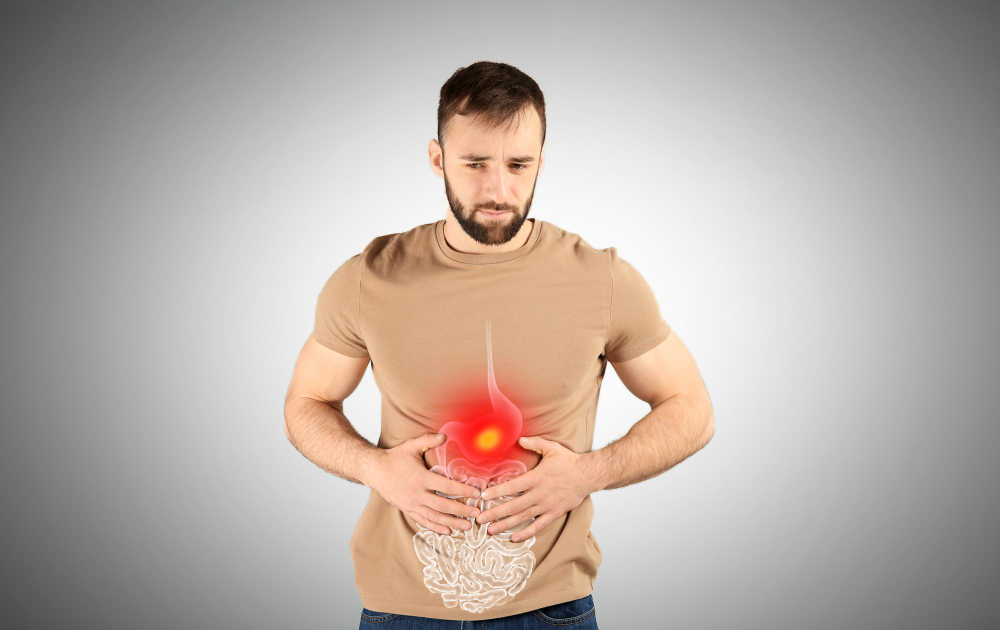
Gallbladder Surgery is performed to treat gallstones and infections causing abdominal pain, nausea, and digestion issues. Laparoscopic cholecystectomy is most common, offering minimal scarring and quick healing. Removing the gallbladder restores digestive comfort and prevents future attacks, allowing patients to resume normal lifestyles with improved health.
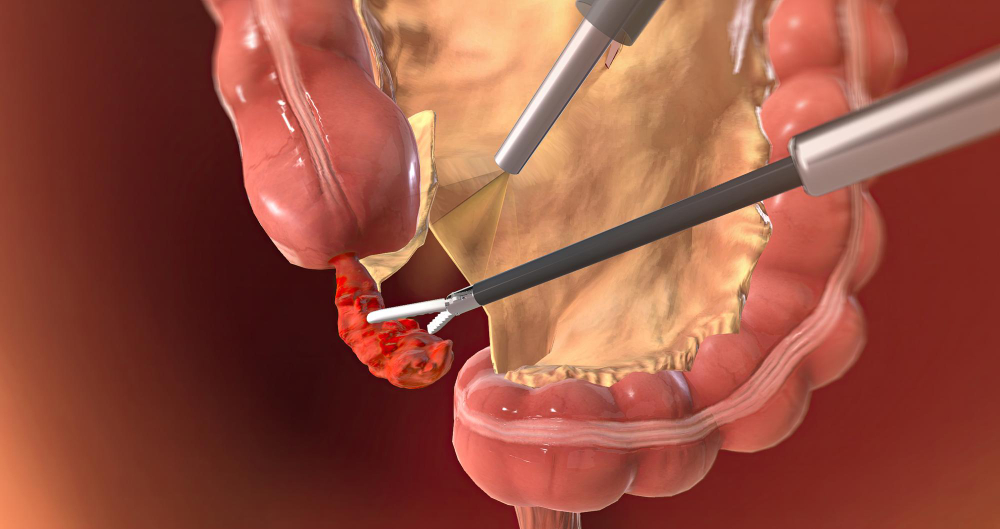
Appendectomy is a surgical removal of the appendix, usually due to appendicitis, which causes severe abdominal pain and infection. Performed through open or laparoscopic surgery, this procedure prevents life-threatening complications such as perforation. Quick treatment ensures faster recovery, minimal discomfort, and a return to normal activities within days.