
Introduction
An appendectomy is a surgery to remove the appendix. Doctors often perform this procedure when a person has appendicitis. This is a painful swelling of the appendix, a small pouch in your belly. Without treatment, the appendix can burst and cause serious health problems. Therefore, an appendectomy is important to prevent infection and protect your health. Many people recover well after appendix surgery. Still, knowing what to expect can help you feel more prepared.
Symptoms and Diagnosis
Doctors recommend an appendectomy when you have appendicitis. But what are the signs? Usually, the first symptom is pain near your belly button. Soon, the pain moves to the lower right side of your belly. In addition, you may notice:Nausea or vomitingLoss of appetiteFeverSwelling in the bellyConstipation or diarrhea
If you have these symptoms, seek medical help right away. Doctors will ask about your symptoms and do a physical exam. Sometimes, they use blood tests, urine tests, or imaging like ultrasound or CT scan. These tests help confirm if you need appendix surgery.
The Appendectomy Procedure
Once appendicitis is diagnosed, surgery is often needed quickly. There are two main types of appendectomy:Laparoscopic appendectomy: Surgeons make a few small cuts. They use a camera and special tools to remove the appendix. This method usually means less pain and a faster recovery.Open appendectomy: Surgeons make a single, larger cut in the lower right belly. They remove the appendix through this opening. Doctors may choose this method if the appendix has burst or there is infection.
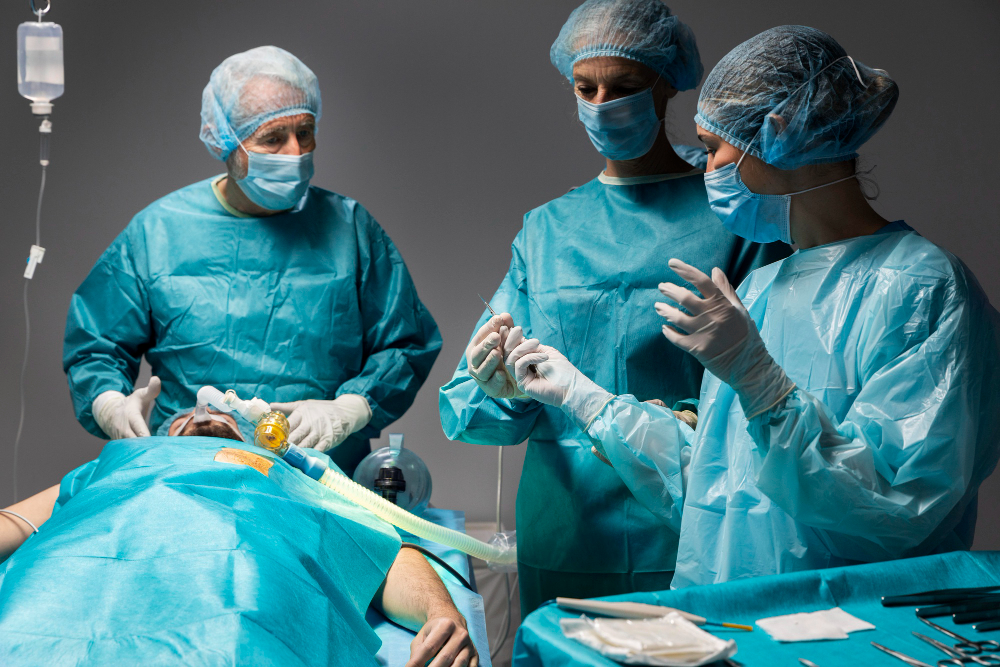
Before surgery, you will get medicine to help you sleep and not feel pain. During the procedure, doctors carefully remove the appendix. Afterward, they close the cuts with stitches or staples. Most surgeries take less than an hour.
Risks and Complications
Like any surgery, appendectomy has some risks. However, most people recover without problems. Common risks include:Infection at the surgery siteBleedingInjury to nearby organsBlood clotsProblems from anesthesia
Doctors take steps to lower these risks. For example, they use clean tools and give antibiotics if needed. If you notice redness, swelling, or fever after surgery, contact your doctor. Early treatment helps prevent serious problems.
Recovery and Aftercare
After an appendectomy, most people stay in the hospital for one or two days. Sometimes, you can go home the same day. Recovery time depends on the type of surgery and your health. Usually, you can return to normal activities in one to three weeks. For a smooth recovery, follow these tips:Rest as much as possibleTake medicines as your doctor prescribesKeep the surgery area clean and dryEat light meals at first, then return to your usual dietDrink plenty of waterWalk a little each day to help healing
However, call your doctor if you have:Severe pain or swellingHigh feverRedness or pus at the woundTrouble breathing
These could be signs of a problem. Quick action can help you recover faster.
Prevention and Lifestyle Guidance
After appendix surgery, you do not need to worry about appendicitis again. Still, it is wise to care for your digestive health. For example, you can:Eat more fruits and vegetablesChoose whole grainsDrink enough water every dayStay active with regular exerciseAvoid foods that upset your stomach
These habits support your body as you heal. They also help prevent other digestive problems in the future.
In summary, an appendectomy is a common and safe surgery. Knowing what to expect before, during, and after the procedure can help you feel calm and ready. For personalized advice on appendectomy and recovery, consult a qualified surgeon.