Introduction
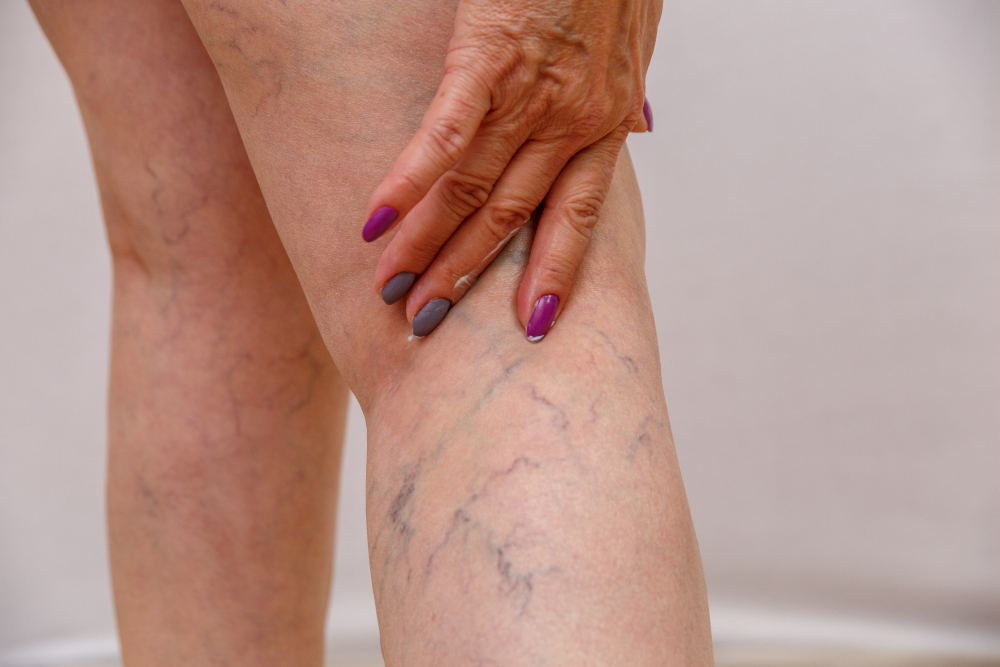
Varicose veins are swollen, twisted veins that often appear on the legs. They can look blue or purple and may bulge under the skin. Many people find them uncomfortable or embarrassing. However, varicose veins can also cause pain and other health problems. Because they affect daily life, it is important to understand what causes them and how to treat them. According to the World Health Organization, varicose veins are common, especially in adults. Early care can help reduce discomfort and prevent complications.
Symptoms of Varicose Veins
Varicose veins have clear signs. Some people may notice them right away. Others may not have symptoms at first. Still, it is good to know what to look for. Common symptoms of varicose veins include:Visible, bulging veins on the legs or feetAching or heavy feeling in the legsSwelling in the lower legs or anklesItching or burning around the veinsMuscle cramps, especially at nightSkin discoloration near the veins
Sometimes, symptoms get worse after standing or sitting for a long time. If you notice these signs, it may be time to seek advice.
Causes and Risk Factors
Varicose veins develop when the valves in your veins do not work well. Normally, these valves keep blood flowing toward the heart. But if they weaken, blood can pool in the veins. This causes them to stretch and twist. Several factors can increase your risk. For example, you may be more likely to get varicose veins if you:Have a family history of varicose veinsAre older, as veins weaken with ageAre female, due to hormonal changesAre pregnant, which increases pressure on veinsAre overweight or obeseStand or sit for long periods
Even though you cannot change some risk factors, you can take steps to lower your chances.
Diagnosis
Doctors can often diagnose varicose veins by looking at your legs. They may ask about your symptoms and medical history. Sometimes, a simple physical exam is enough. However, your doctor might use an ultrasound test. This test checks blood flow in your veins. It helps find any blockages or valve problems. Early diagnosis can help you get the right treatment and avoid further issues.
Treatment Options for Varicose Veins
There are many ways to treat varicose veins. Your doctor will suggest the best option for you. Treatment depends on your symptoms and how severe the veins are. Here are some common varicose veins treatment options:Lifestyle changes: Exercise, weight loss, and raising your legs can help.Compression stockings: These special socks improve blood flow and reduce swelling.Medical procedures: For example, sclerotherapy uses a solution to close small veins. Laser therapy uses light to seal off veins. Radiofrequency or laser ablation heats and closes larger veins.Surgery: In severe cases, doctors may remove the affected veins. This is called vein stripping or ligation.
Most treatments are safe and effective. Still, your doctor will explain the risks and benefits of each option.
Lifestyle and Prevention Tips
While you cannot always prevent varicose veins, you can lower your risk. Simple changes can make a big difference. Here are some tips on how to prevent varicose veins:Stay active and exercise regularlyMaintain a healthy weightAvoid standing or sitting for long periodsElevate your legs when restingWear comfortable, loose clothingUse compression stockings if recommended
Because these steps improve blood flow, they can help keep your veins healthy.
When to See a Doctor
Sometimes, varicose veins are only a cosmetic concern. But you should see a doctor if you have:Severe pain or swellingSkin sores or ulcers near the veinsBleeding from a veinSudden changes in skin color
Additionally, if your symptoms get worse or affect your daily life, seek medical advice. Early care can prevent complications.
Conclusion
Varicose veins are common and can cause discomfort. However, many treatments and prevention tips are available. If you notice symptoms or have concerns, consult a specialist for personalized guidance.